
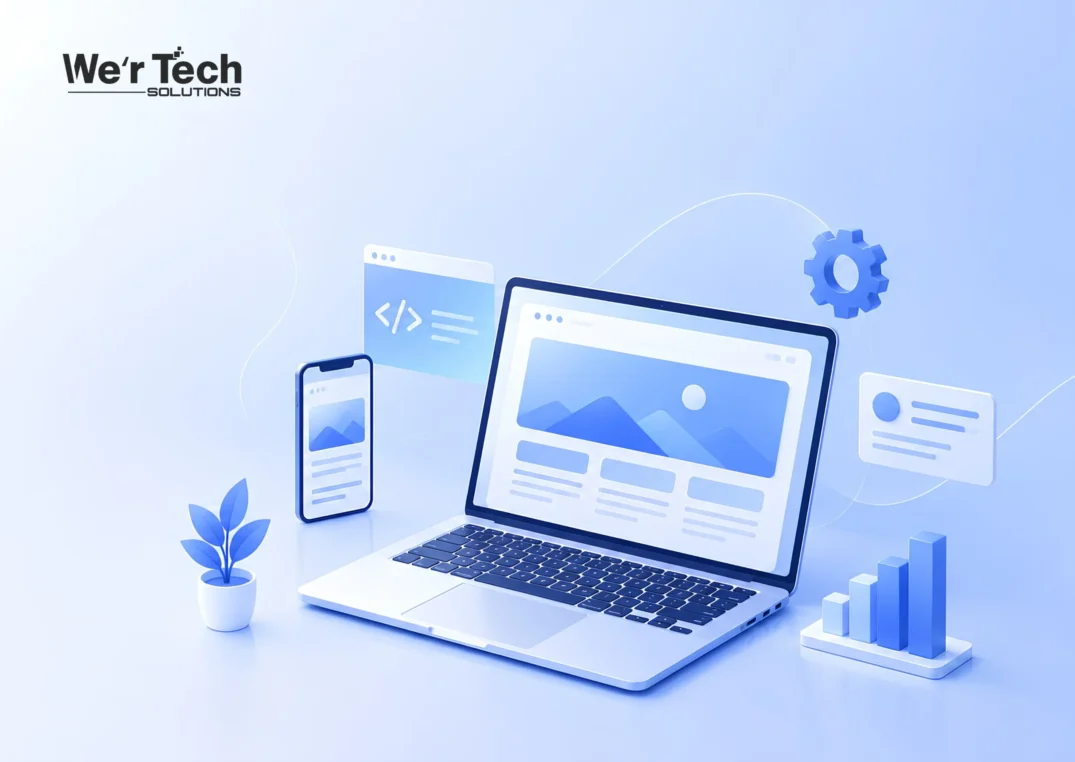
In today’s digital-first economy, a business website is far more than an online brochure—it’s your digital storefront, your sales representative, and often the first impression potential customers have of your brand. Whether you’re a startup, a growing business, or a well-established company, investing in professional website design and development is essential for building trust, attracting customers, and driving long-term growth.
A modern website should not only look visually appealing but also deliver exceptional performance, intuitive navigation, fast loading speeds, and seamless functionality across all devices. With search engines prioritizing user experience and customers expecting instant access to information, businesses can no longer afford outdated or poorly optimized websites.
This guide explores everything you need to know about website design and development in 2026-from planning and design principles to SEO, performance optimization, security, and future trends.
What Is Website Design & Development?
Website design focuses on the visual appearance, user interface (UI), and user experience (UX) of a website. It includes layouts, typography, colors, imagery, and navigation that create a positive first impression.
Website development is the technical process of building and maintaining the website. It includes coding, database integration, server configuration, content management systems (CMS), and interactive functionality.
Together, design and development create websites that are attractive, functional, secure, and optimized for performance.
Professional digital marketing services typically include:
Why Every Business Needs a Professional Website
Consumers today research businesses online before making purchasing decisions. A professionally designed website helps establish credibility and provides customers with the information they need to trust your brand.
A business website allows you to:
- Showcase products and services
- Generate qualified leads
- Build brand authority
- Improve customer communication
- Support digital marketing campaigns
- Reach customers 24/7
- Expand into new markets
Without a professional website, businesses risk losing opportunities to competitors with stronger online presences.

Benefits of Professional Website Design & Development
Improved User Experience (UX)
An intuitive website makes it easy for visitors to find information, navigate pages, and complete desired actions.
Benefits include:
- Lower bounce rates
- Higher engagement
- Increased conversions
- Better customer satisfaction
Mobile Responsiveness
With most users browsing on smartphones and tablets, responsive design is essential. A responsive website automatically adapts to different screen sizes, providing a consistent experience across all devices.
Faster Loading Speeds
Website speed directly impacts user experience and search engine rankings. Optimized websites load quickly, reducing abandonment rates and improving conversions.
Enhanced Brand Credibility
A clean, modern website reflects professionalism and builds trust with potential customers. Strong branding, consistent visuals, and clear messaging help differentiate your business in a competitive market.
Better Search Engine Visibility
SEO-friendly websites are structured to help search engines understand and rank content more effectively. This increases organic traffic and improves online visibility.
Essential Elements of Modern Website Design
A successful business website should include:
- Clean and modern layout
- Responsive design
- Clear navigation
- Strong calls-to-action (CTAs)
- High-quality visuals
- Accessible typography
- Consistent branding
- Contact forms
- Live chat (optional)
- Secure HTTPS connection
- Optimized images
- Fast loading speeds
Each element contributes to a better user experience and improved business outcomes.
Website Development Process
Professional website development typically follows these stages:
Discovery & Planning
- Define goals, audience, and project scope.
Wireframing & Design
- Create layouts and visual concepts.
Development
- Build the website using modern technologies.
Content Integration
Add text, images, videos, and other media.
Testing
Check functionality, responsiveness, and browser compatibility.
Launch
Deploy the website to a live server.
Maintenance
Perform updates, backups, and ongoing improvements.
A structured development process ensures quality, performance, and long-term reliability.
Types of Business Websites
Different businesses require different website solutions, such as:
- Corporate Websites
- E-Commerce Stores
- Portfolio Websites
- Landing Pages
- Educational Platforms
- Membership Websites
- Booking & Appointment Websites
- SaaS Platforms
- Blogs & News Portals
Choosing the right type depends on your business objectives and target audience.
SEO Best Practices for Websites
A great website should also be search-engine friendly. Key SEO practices include:
- Keyword-optimized content
- Descriptive page titles
- Meta descriptions
- Structured heading hierarchy (H1–H3)
- Internal linking
- Optimized image alt text
- Fast loading speeds
- Mobile responsiveness
- XML sitemap
- Secure HTTPS
- Schema markup
These practices improve visibility in search results and support long-term organic growth.
Website Security Essentials
Protecting customer data and maintaining trust are critical. Every business website should implement:
- SSL certificates (HTTPS)
- Strong password policies
- Regular software updates
- Automated backups
- Malware scanning
- Firewall protection
- Secure hosting
- User access controls
Good security practices reduce the risk of cyber threats and downtime.
Common Website Mistakes to Avoid
Many websites underperform because they:
- Load slowly
- Are not mobile-friendly
- Have confusing navigation
- Use outdated designs
- Lack clear calls-to-action
- Ignore SEO
- Display inconsistent branding
- Contain broken links
- Have poor accessibility
Avoiding these issues creates a better experience for users and search engines alike.
Website Design Trends for 2026
Emerging trends include:
- AI-powered personalization
- Minimalist interfaces
- Dark mode options
- Interactive animations
- Micro-interactions
- Voice search compatibility
- Accessibility-first design
- Progressive Web Apps (PWAs)
- Sustainable web design
- Enhanced cybersecurity
Businesses that adopt these trends can provide more engaging and future-ready digital experiences.
Why Choose WerTech Solutions?
At WerTech Solutions, we specialize in creating professional websites that combine creativity, technology, and business strategy.
Our website services include:
- Custom Website Design
- Responsive Web Development
- E-Commerce Development
- UI/UX Design
- CMS Development
- Website Maintenance
- Performance Optimization
- SEO-Friendly Development
- Security Enhancements
Every website we build is tailored to your brand, optimized for search engines, and designed to support measurable business growth.
Conclusion
A professional website is one of the most valuable investments a business can make. It serves as the foundation of your online presence, supports digital marketing efforts, and helps convert visitors into customers. By combining thoughtful design, reliable development, SEO best practices, and strong security, businesses can create websites that drive growth and build lasting trust.
Whether you’re launching a new business or upgrading an existing website, WerTech Solutions is ready to help you create a modern, high-performing website that supports your long-term goals.